
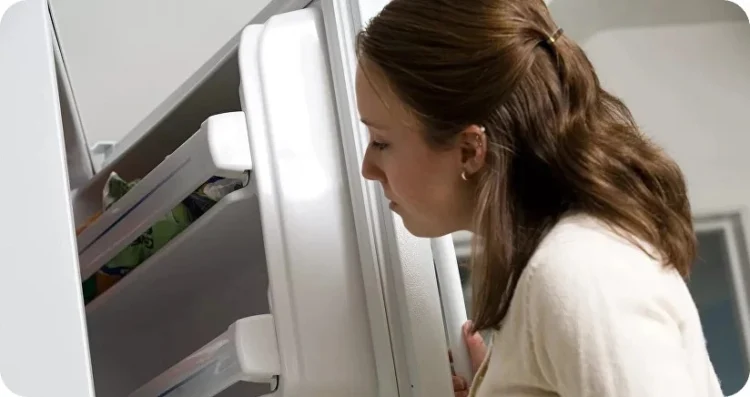
Defrosting the refrigerator is a necessary procedure for all types of refrigerators. Even modern models with the No Frost system require periodic manual hygienic defrosting. If you do not follow the manufacturer's recommendations and ignore defrosting, you may need a professional refrigerator repair service - https://remont-holodilnikov-odessa.com.ua, and in some cases even the purchase of a new device.
Sometimes, after defrosting, the refrigerator stops cooling products, which can happen in one or both chambers. In some cases, emergency indicators light up on the panel and a sound signal is activated. In this article, the most frequent reasons for the absence of cold in the refrigerator chambers after defrosting and ways to eliminate simple breakdowns are discussed.

Why the refrigerator does not cool after defrosting
If, after plugging the device into the socket, the motor-compressor started, but the compartments did not get cold, this does not necessarily mean a breakdown. After a long "rest" inside the chamber, room temperature is set, and it will take some time (sometimes up to 12 hours) to cool it down. If you load a lot of warm products, the cooling process may take even longer.
It is also necessary to check the correct installation of shelves, boxes and containers, as well as the placement of products. Improper installation may prevent the door from closing tightly, which causes some of the cold to escape, increasing the time it takes the device to go into operation. In many models, if there is no cold in the compartment, an alarm sounds, which should preferably be turned off while the temperature is set. This is done through the digital display or the mute button on the front panel. The specific method is described in the user guide.
If the temperature in the chamber does not decrease for several hours or the motor-compressor does not start, it is likely that a malfunction has occurred, which must be repaired by yourself or call a technician.
Frequent breakdowns after defrosting the refrigerator
- Leakage of freon from the circuit due to depressurization
- It often occurs due to careless handling of refrigerator elements during defrosting (for example, using sharp objects to break ice).
- Symptoms: the light in the chamber is on, the motor-compressor works for a long time, then turns off with a click of the thermal protection relay.
- The solution: the master finds the place of the leak, seals it, changes the filter-drier and fills the system with refrigerant.
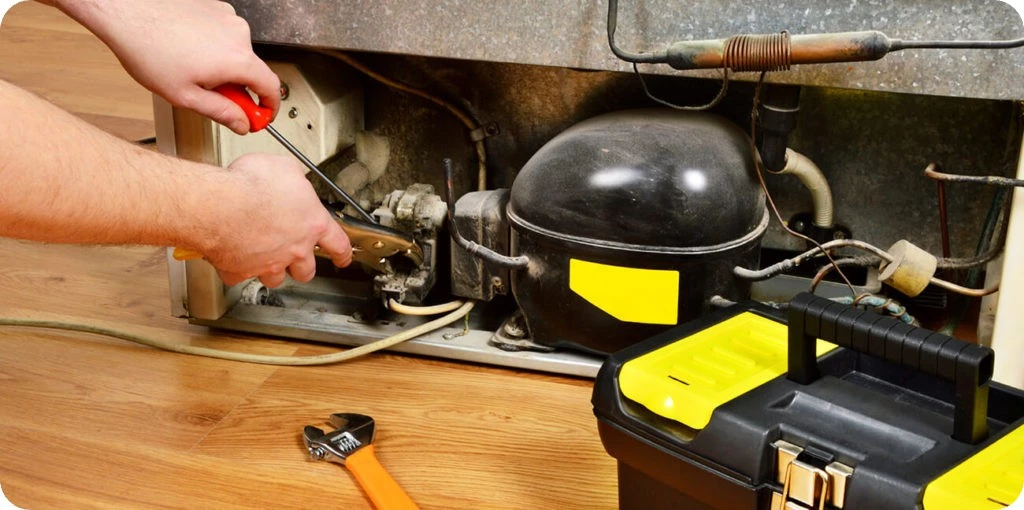
- Damage to components of the motor-compressor unit
- After defrosting, the compressor works with increased load, which can lead to its failure.
- Symptoms: camera illumination works normally, the compressor hums, but there is no cooling.
- Solution: replacement of the motor-compressor, filter-drier and refilling the system with freon.

- Failure of the system board
- In models with electronic control, all processes are activated by command from the central board.
- Symptoms: incorrect temperature in the chambers, automatic switching on/off of indicators, motor-compressor does not work.
- Solution: disconnect the device from the network, let the board dry. If it did not help, call a master for flashing or replacing the board.
- Thermostat malfunction
- In devices with electromechanical temperature regulation, damage to the thermosensitive element leads to malfunctions.
- Symptoms: the motor-compressor does not start.
- Solution: replacing the thermostat.
Basic rules for defrosting a refrigerator
- Remove all products from the compartments.
- Remove all removable elements (shelves, containers).
- Place containers for collecting melted water and place a soft cloth under the refrigerator.
- Wash the refrigerator with warm water and a non-aggressive detergent.
- Leave the device with the door open to dry and vent moisture.
- Turn on the refrigerator and wait until the required temperature is established in the chambers.
Avoid using warm water or a hair dryer to speed up the thawing process, as well as sharp objects for chipping ice. Following these rules will help you efficiently and safely defrost the refrigerator, avoiding possible breakdowns and ensuring its long-term operation.

