
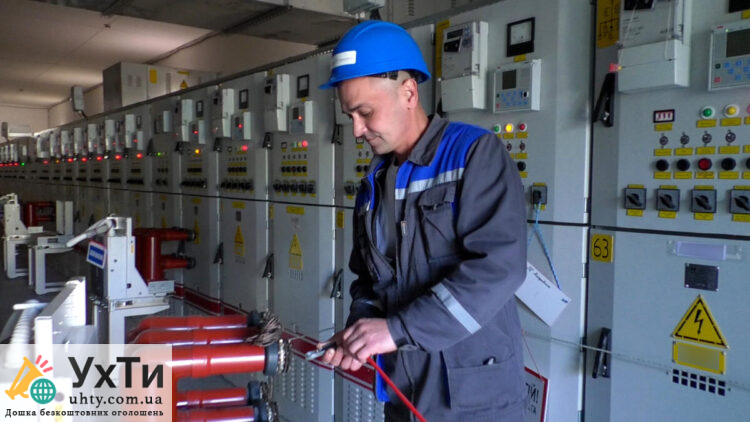
Interstat Testing Laboratory plays a key role in ensuring the safety, reliability and quality of various facilities and equipment. Its main task is to verify compliance with standards and regulatory requirements. One of the important areas of work of such laboratories is testing of electrical installations, which allows you to identify potential risks in time and avoid emergency situations.
Main functions of the testing laboratory
- Equipment safety assessment: The Interstat laboratory conducts testing to verify the compliance of devices with international and national standards.
- Defect detection: Thanks to modern technologies, you can quickly diagnose hidden problems in the operation of equipment.
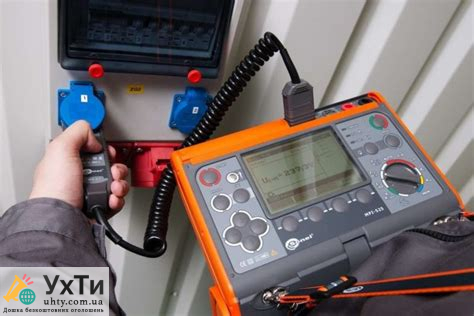
- Checking electrical installations: Laboratory services include testing electrical systems for insulation strength, voltage level, current consumption, etc.
- Materials analysis: This allows you to determine the quality of the materials used to manufacture the equipment.
- Product certification: Laboratories help obtain certificates that confirm that products comply with established standards.

Advantages of a testing laboratory
- Quality guarantee: Tests make it possible to verify that the equipment complies with technical specifications.
- Saving money: Timely diagnostics avoid the costs of repairing or replacing equipment.
- Accident protectionChecking electrical installations significantly reduces the risk of fires or breakdowns.
- Improving work efficiency: Regular tests guarantee long-term and stable operation of the equipment.
- Customer trust: Businesses that use the services of certified laboratories gain more trust from consumers.
How does the testing process work?
- Preliminary analysis of the documentation: First, they check the technical specifications and design documentation.
- Choice of testing methods: Depending on the type of equipment, appropriate test methods are selected.
- Physical tests: The Interstat laboratory conducts tests for strength, load resistance, thermal resistance, etc.
- Evaluation of results: The data obtained is analyzed and a detailed report is compiled.
- Issuance of certificates: After successful testing, the equipment receives certificates of conformity.
Who needs testing laboratory services?
- For electrical equipment manufacturers: To confirm the quality and safety of your products.
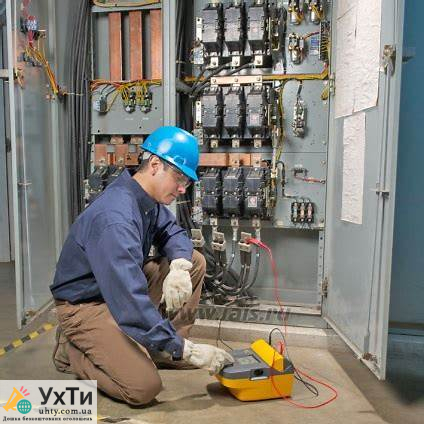
- For construction companies: For checking electrical installations at facilities.
- For industrial enterprises: To monitor the condition of equipment and reduce the risk of production failures.
- To utility companies: To ensure the safe operation of electrical networks.
- For private individuals: To check the safety of household equipment.

What does Interstat offer?
Company Interstat provides a full range of testing laboratory services: from diagnostics of electrical installations to issuing certificates. Thanks to the use of modern equipment and highly qualified personnel, clients can be confident in the reliability of the results.
Tips for choosing a testing laboratory
- Check accreditation: It is important that the laboratory has the appropriate permits and certificates.
- Rate the equipment: Modern technology guarantees accurate results.
- Pay attention to reputation: Customer reviews will help you make the right choice.
- Specify the cost: Services should be available without hidden fees.
- Request reports: A detailed analysis of the results is a mandatory stage of cooperation.
Testing laboratory — is an integral element of ensuring the safety and reliability of electrical installations. Thanks to regular testing, you can avoid many problems that may arise during the operation of the equipment. Interstat provides professional services that meet the highest quality standards. Contact them today to ensure the stability and safety of your facilities!


