

Cholecystitis is an inflammation of the gallbladder that can lead to a variety of unpleasant symptoms and complications. Understanding what can trigger an attack of cholecystitis can help prevent this condition.
What is cholecystitis?
Cholecystitis is an inflammation of the gallbladder, an organ located under the liver. The gallbladder plays an important role in the digestive process by storing bile, which is produced by the liver. When this organ becomes inflamed, various unpleasant symptoms occur, such as abdominal pain, nausea, vomiting, and a general feeling of malaise. Cholecystitis can be acute or chronic and requires appropriate treatment to prevent further complications. If you are experiencing cholecystitis, it is best to consult a doctor for treatment, including What pills for cholecystitis? accept.
Risk factors
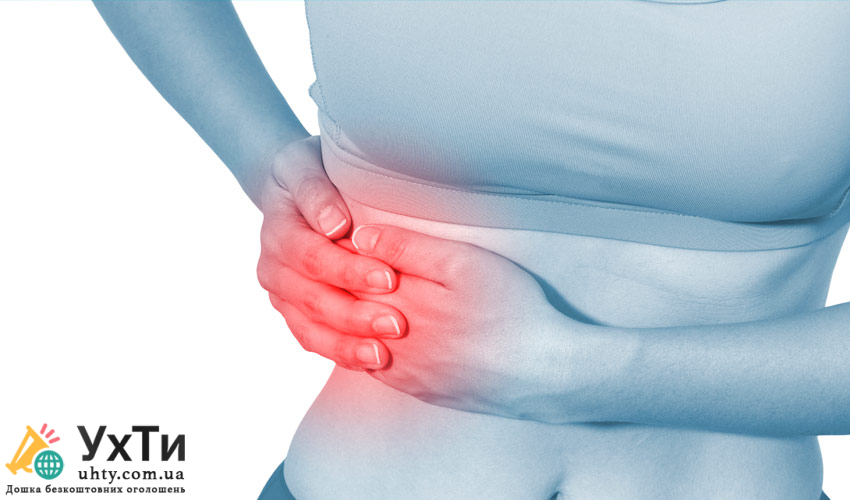
There are several risk factors that can trigger an attack of cholecystitis. Some of them include:

- Nutritional deficiencies, in particular, a high amount of fat and cholesterol in the diet.
- Sex hormones: Women have a higher risk of developing cholecystitis.
- Age: Older people are more susceptible to this disease.
- Family history: If you have relatives with cholecystitis, your risk of developing this condition increases.
It is better to buy medicines in verified pharmacies, where the quality and compliance of drugs with safety and efficacy standards are guaranteed.
Symptoms
Cholecystitis is a condition that can have a variety of symptoms. Recognizing them can be key to identifying problems early and seeking help.
- Abdominal pain
The most common symptom of cholecystitis is pain or discomfort in the upper right abdomen. This may be constant or occur after eating.
- Pain irradiation
The pain may radiate to the back or shoulder, making it seem as if the problem is elsewhere.
- Discomfort after eating
People with cholecystitis often report worsening symptoms after consuming heavy, fatty, or simple meals.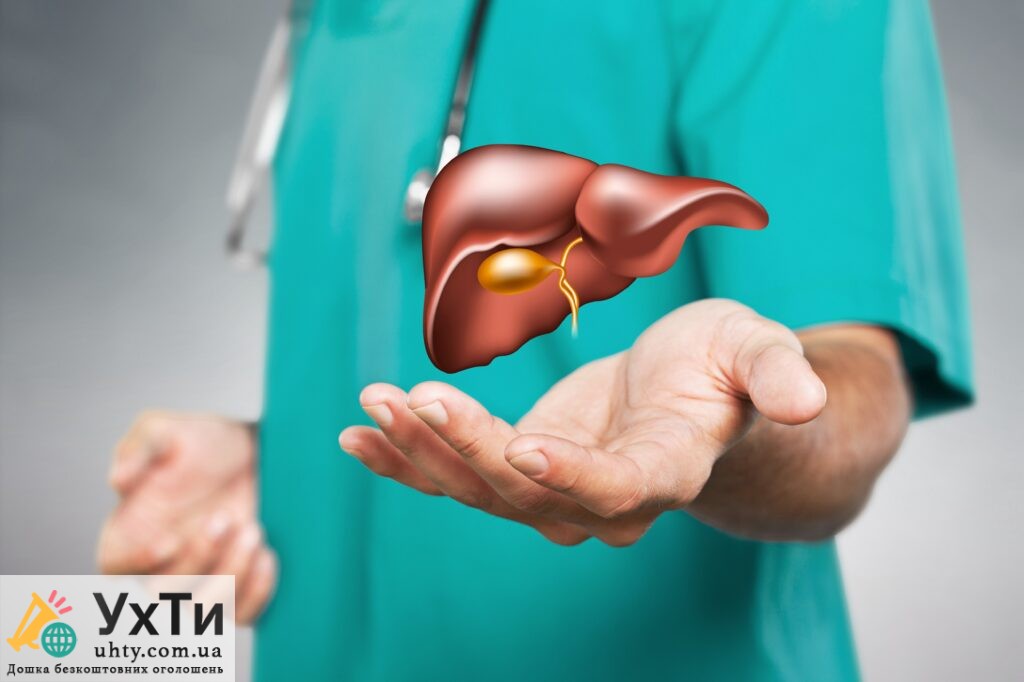
- Pain intensity
The pain can vary in intensity, from mild discomfort to sharp pain.
- Duration of symptoms
Symptoms may be temporary or last for a long time, depending on the nature of the disease.
- Pay attention to other signals
Pay attention to other symptoms such as nausea, vomiting, loss of appetite, or changes in urine color.
- Worsening of general well-being
The disease may be accompanied by fatigue, weakness, and general deterioration of well-being.
If you notice similar symptoms, it is important to see a doctor for an accurate diagnosis and effective treatment. Do not delay a visit to a medical professional, as early diagnosis can improve the prognosis and facilitate treatment.
Complication

If left untreated, cholecystitis can lead to serious complications such as gallstones, cholecystitis, and even peritonitis.
Prevention
You can prevent an attack of cholecystitis by eating a balanced diet, giving up bad habits, maintaining a healthy weight, and having regular medical checkups.
Conclusion
Cholecystitis is a serious condition that can significantly reduce your quality of life and requires immediate intervention. Attacks of cholecystitis can be very painful and can lead to serious complications if ignored. Therefore, it is important to be attentive to the signals your body gives you and consult a doctor in a timely manner if you suspect cholecystitis.
Keeping your gallbladder and your entire body healthy is key to living an active and comfortable life. Don't hesitate to seek medical attention if you experience any symptoms of cholecystitis, as early detection and treatment are the best way to prevent complications and alleviate suffering.

