
Types of sofas
Sofas come in many different styles and designs, each of which has its own unique features. Some common types of sofas include:
Traditional sofa. The traditional sofa is characterized by a classic design, with rounded armrests, tufted pillows and turned legs. They can be of different colors and fabrics and are often used in formal guest rooms.
Sectional sofa: Sectional sofa consists of several sections, usually two or more, which can be arranged in various configurations. They are ideal for large living spaces and can be used to create separate recreation areas.

Sleeper sofa: Sleeper sofa is a sofa in which the bed folding mechanism is hidden inside the seat cushions. This allows you to turn the sofa into a bed for overnight guests.
Reclining sofa: A reclining sofa is a sofa with a reclining mechanism that allows the user to adjust the back and footrest for maximum comfort. It can also be a sectional or traditional sofa.
Loveseat sofa: it is smaller than a standard sofa, usually designed for two people, it can also have mechanisms for rest or sleep.
Chesterfield sofa: The Chesterfield sofa is known for its unique design, often with a low back, high armrests and quilted buttons all over the frame. As a rule, they are made of leather, but you can also find them from other materials.
Modular sofa: A modular sofa is a type of sofa that can be arranged in different configurations, with different sectional pieces that can be added or removed to change the shape and layout of the sofa. They can also be called do-it-yourself sofas.
Futon sofa: This sofa can be used as a bed and is often used in tight spaces, small apartments and guest rooms. They are also popular in everyday living spaces.
The choice of the type of sofa will depend on personal taste, as well as on the size, style and layout of the living space. Some types are more suitable for formal living rooms, while others are ideal for ordinary family rooms or guest rooms.
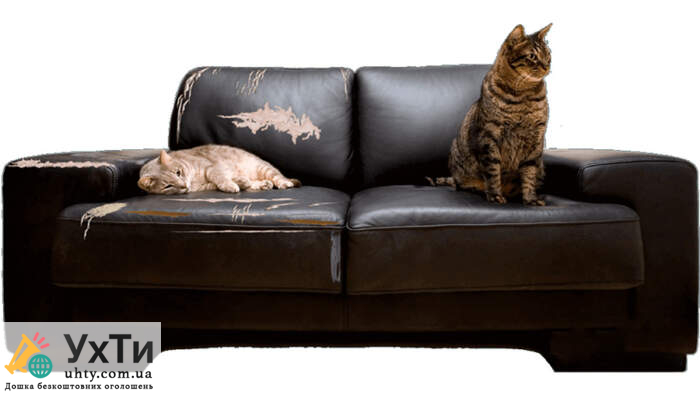
Sofa repair. What can break in the sofa?
Sofas may wear out or become damaged over time, and may require repair or sofa cover. Here are some common problems that may require sofa repair:
Tears or tears in the fabric: they can be repaired by covering the area with fabric of a similar color and texture. The patch can be fixed with fabric glue or sewn on.
Sagging cushions: Sagging cushions can be caused by a lack of support in the frame or the destruction of the padding over time. To fix this, you can add more stuffing to the pillows or replace the pillows entirely.
Stains or spilled liquids. Stains and spills can be removed using a cleaning solution specifically designed for the type of fabric on your sofa. Be sure to test the solution first on a small, inconspicuous area to make sure it won't discolor or damage the fabric.
Loose or broken springs: Loose or broken springs can cause the sofa to become uncomfortable to sit on. To fix this, you can tighten or replace the springs.
Worn or damaged legs. Worn or damaged legs can make the sofa unstable and unsafe to use. To fix this, you can repair or replace the legs.
Chair Mechanism: If the chair mechanism is broken, it will result in the chair not working properly or not reclining at all. This can be fixed by replacing the part of the mechanism that is causing the problem.
Broken frame: A broken frame can cause the sofa to become unstable and unsafe to use, and can also cause the cushions to sag. To fix this, you may need to replace the entire frame.
Depending on the type of damage and the type of fabric, you can hire a professional furniture repairer to repair it. They will have the experience and tools to properly solve the problem, and they can help restore the product to its original state.
Otherwise, for less serious repairs and those that are convenient, some basic repair work can be done with some basic tools and skills.
It is important to eliminate any damage at an early stage to prevent further problems and extend the life of your sofa.
Source: Furniture Terra

