The most common tick-borne diseases: what you need to know
Share:
Ticks are carriers of numerous infectious diseases that can affect human health. Among the most common diseases transmitted through tick bites, we can note Lyme disease, ehrlichiosis, anaplasmosis, babesiosis and others. We will consider the main diseases, their symptoms, methods of diagnosis and prevention, and also consider the issue of testing ticks for the presence of pathogenic microorganisms, in particular Borrelia burgdorferi.
Analyses and research Medi Lab +
In the laboratory Medi Lab + You can take various tests and examinations related to tick-borne diseases. The laboratory offers tests using the following methods: PCR and ELISA to detect tick-borne pathogens. Ticks are also diagnosed for the presence of Borrelia burgdorferi using high-quality and real-time PCR methods. These methods allow you to accurately determine the presence of bacteria in a tick and take the necessary measures in time to prevent possible diseases. Medi Lab + laboratory provides reliability and accuracy of results, helping to ensure your health and safety.
The most common diseases transmitted by ticks
1 Lyme disease (borreliosis)
Lyme disease is one of the most common tick-borne diseases. It is caused by caused by the bacterium Borrelia burgdorferi and can have serious health consequences if not detected and treated in time. Symptoms can include rashes, muscle and joint pain, fatigue, headaches, etc.
Ehrlichiosis and anaplasmosis are other diseases that can be transmitted through tick bites. They are caused by the bacteria Ehrlichia and Anaplasma, respectively. Symptoms of these diseases can be similar to the flu, including fever, headache, and muscle aches.
3 Babesiosis
Babesiosis is a tick-borne infectious disease caused by parasites of the genus Babesia. It can lead to serious complications, especially in people with weak immune systems. Symptoms of babesiosis include fever, muscle aches, nausea, and more.
Diagnosis of tick-borne diseases
For disease diagnostics, transmitted by ticks, there are several methods, including polymerase chain reaction (PCR) and enzyme-linked immunosorbent assay (ELISA).
PCR (polymerase chain reaction)
PCR is a molecular biology technique that allows the amplification of small fragments of DNA that contain information about a specific pathogen. This method allows the detection of the presence of DNA from a tick or a pathogen it may transmit, such as Borrelia burgdorferi.
ELISA (enzyme-linked immunosorbent assay)
ELISA is an immunological diagnostic method that is based on the detection of antibodies to a specific antigen in the patient's blood. This method can be used to detect antibodies to tick-borne pathogens such as Borrelia burgdorferi.
Testing the tick for the presence of Borrelia burgdorferi
Various methods can be used to detect the presence of Borrelia burgdorferi in ticks, including qualitative PCR, real-time PCR, and immunodiagnostics.
1 PCR qualitatively
Qualitative PCR is a method that allows you to determine the presence of a specific fragment of DNA in a sample. To detect Borrelia burgdorferi, a tick sample can be processed to extract DNA, after which PCR is used to determine the presence of this bacterium.
2 Real-time PCR
Real-time PCR is a modification of the PCR method that allows not only to detect the presence of DNA in a sample, but also to quantify its amount. This method may be useful for detecting low concentrations of Borrelia burgdorferi in ticks.
Prevention of tick-borne diseases
To avoid contact with ticks and prevent diseases transmitted through their bites, you can take the following measures:
Wearing protective clothing: When in the woods or outdoors, try to wear long sleeves and pants to reduce the chance of ticks getting on your skin.
Using repellents: Use repellents that contain DEET or other active ingredients that repel ticks. Be sure to read and follow the instructions before using the repellent.
Body check after a walk: After being in the woods or outdoors, be sure to check your body and clothes for ticks. Ticks can often hide in damp and dark places, such as the armpits, groin, behind the ear, etc.
Avoid high-trauma areas: Try to avoid high-traffic areas, such as tall grasses and bushes, where ticks may be present in large numbers.
Further measures: After returning from the outdoors, check your clothes and shoes carefully, perhaps even wash them. To reduce the risk of contact with ticks, it is also recommended to keep the grass around your home short and treat it regularly for ticks.
Saving the tick for analysis
The following methods can be used to preserve the tick for further analysis:
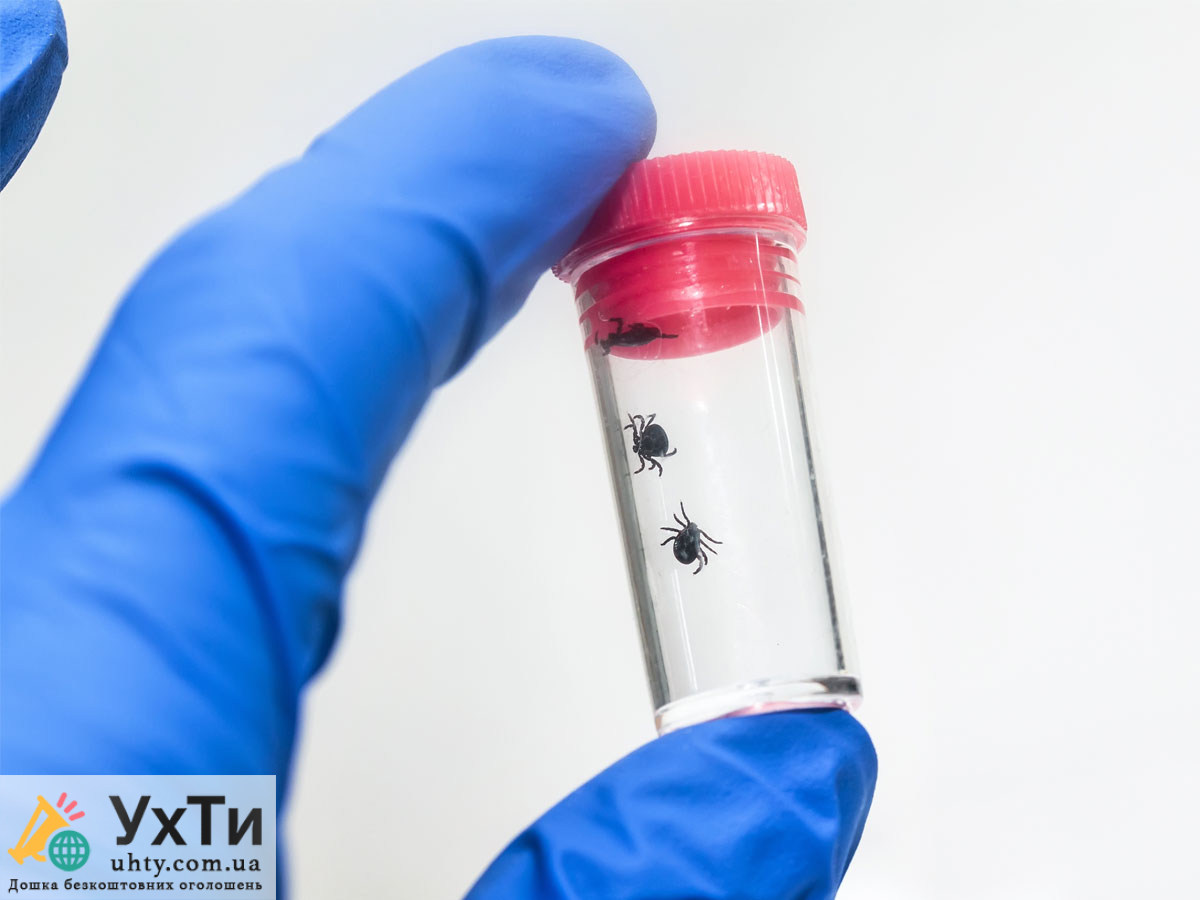
Removing a tick or part of it into a container: After removing the tick or part of it by Using tweezers or another tool, place it in a container. A small piece of cotton wool moistened with saline is placed at the bottom of the container to prevent the material from drying out. This method allows the tick to be stored for up to 5 days at a temperature of +2 to +8°C.
Storage in the refrigerator: If the tick is found on a weekend or after hours, the container with the tick can be stored at home in a refrigerator. This way, it can remain preserved until it can be taken to the laboratory. On a workday, the tick can be delivered to the laboratory for further analysis.
Preserving a tick for analysis is an important step in identifying possible diseases it may carry and aids in timely diagnosis and treatment.
Tick-borne diseases can pose a serious threat to human health, so it is important to be careful and proactive in preventing their spread. Proper prevention, regular medical check-ups, and early detection can help avoid unpleasant consequences. Performing analysesPCR andELISA studies according to the specified methods in laboratories such as Medilab.km.ua, can be a crucial step in detecting and treating tick-borne diseases. Remember the importance of proper prevention and timely treatment to protect your health and the health of your loved ones.