
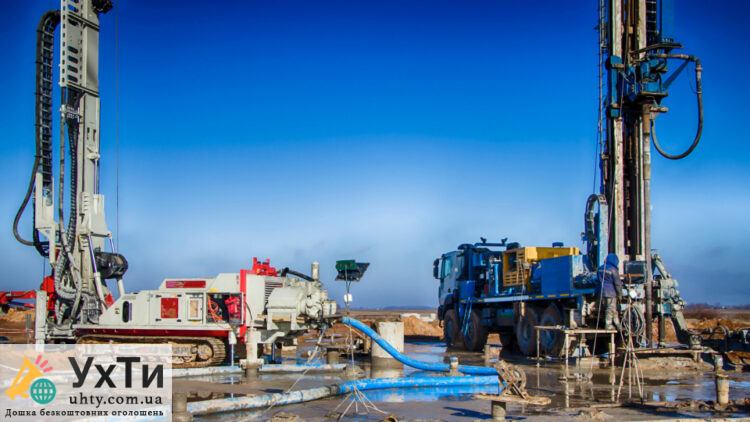
Well drilling is a key element in many industries, including oil and gas, mining, water supply, and geothermal. Modern drilling technologies have significantly improved the efficiency, safety, and cost-effectiveness of this process. In this article, we will look at the main technologies and What is drilling?, their advantages and impact on cost.
On the website zhzh.com.ua you can learn a lot of interesting things on the topic of modern well drilling technologies. It publishes detailed articles that cover the latest achievements and innovative methods in this area, as well as analyze their impact on the efficiency and cost of drilling operations. Due to the high quality and relevance of the information, this resource is indispensable for everyone who is interested in news and trends in the drilling industry.
1. Horizontal drilling technology
Horizontal drilling is one of the most modern and efficient drilling techniques. It allows reaching reservoirs at great depths with minimal disturbance of the earth's surface. The main advantages of horizontal drilling:

- Efficient use of resources: allows you to cover a larger reservoir area from a single well.
- Minimizing environmental impact: reduces the area required for the drilling site.
- Cost reduction: reduces the need for a large number of wells, which reduces overall costs.

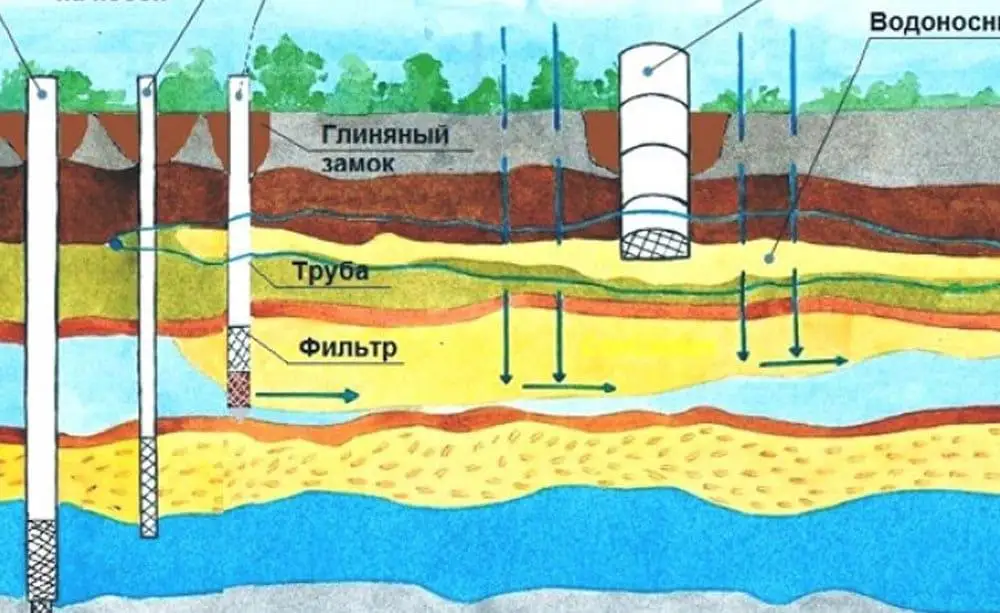
2. Management Pressure Drilling (MPD)
Managed Pressure Drilling (MPD) is a technology that allows you to control the pressure in the well during drilling. This ensures safety and reduces the risk of accidents. The main advantages of MPD:
- Improving security: reduces the risk of uncontrolled emissions and other accidents.
- Cost reduction: improved pressure management reduces the need for costly emergency measures.
- Improving efficiency: allows drilling in difficult geological conditions.
3. Multi-stem drilling technologies
Multi-hole drilling involves drilling multiple holes from a single vertical well. This allows for a larger reservoir area to be covered and reduces the number of drilling sites. Key benefits:
- Efficiency: allows drilling multiple horizontal shafts from one well.
- Reducing environmental impact: reduces the number of drilling sites required.
- Cost reduction: reduces the cost of drilling and equipping multiple wells.
4. Rotary Steering System (RSS) technology
Rotary Steerable System (RSS) allows precise control of drilling direction in real time. This is especially useful when drilling complex and long horizontal wells. Key benefits:
- Precision: allows you to accurately direct the well to the target reservoir.
- Efficiency: reduces drilling time through precise directional control.
- Cost reduction: Improved accuracy reduces the need for corrective drilling.
5. Use of automation and robotics
Automation and robotics have become an integral part of modern drilling. They provide more accurate and safer drilling operations. Key benefits:
- Security: reduces the risk of human error and accidents.
- Efficiency: Automated systems allow complex operations to be performed faster and more accurately.
- Cost reduction: automation reduces the need for large amounts of labor.

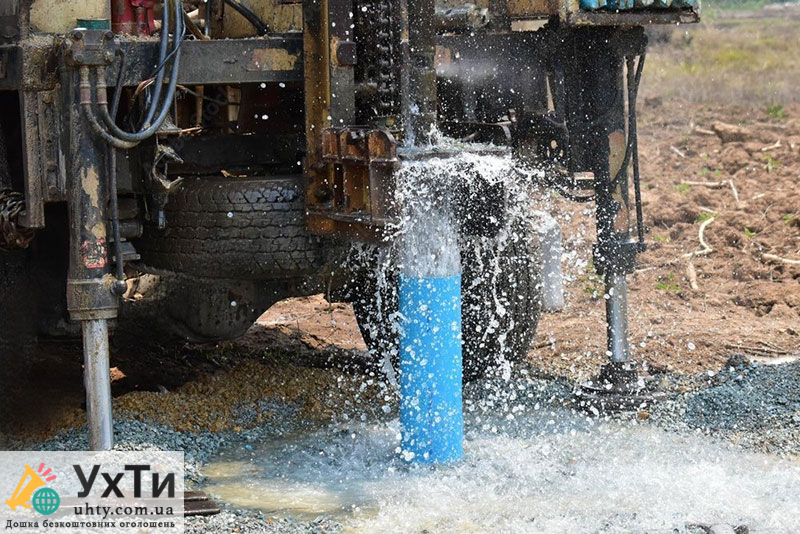
6. Using new materials
Modern drilling technologies include the use of new, stronger and more wear-resistant materials for drilling tools. This increases the service life of the tools and reduces the cost of their replacement. The main advantages:
- Durability: new materials increase the service life of drilling tools.
- Cost reduction: the need for frequent tool replacement is reduced.
- Improving efficiency: Improved tools allow you to drill faster and more accurately.
7. Use of hydraulic technologies
Hydraulic technologies allow to significantly improve the drilling process, reducing friction and wear of drilling tools. Main advantages:
- Efficiency: reduces friction and tool wear, allowing you to drill faster.
- Cost reduction: reduces the need for tool replacement and repairs.
- Improving security: Improved pressure and temperature control increases drilling safety.
8. Use of digital technologies and big data
Digital technologies and big data analysis allow for more accurate planning and execution of drilling operations. Key benefits:
- Precision: digital technologies allow for accurate prediction and control of the drilling process.
- Efficiency: Big data analysis helps identify and fix problems at an early stage.
- Cost reduction: improved planning and control reduce overall drilling costs.
9. Use of environmentally friendly technologies
Modern drilling technologies take into account environmental aspects and are aimed at reducing environmental impact. Main advantages:
- Environmental friendliness: reducing harmful emissions and pollution.
- Social responsibility: increasing the level of security for local communities.
- Cost reduction: environmentally friendly technologies reduce the risks and costs of eliminating the consequences of accidents.
10. Use of unmanned aerial vehicles (UAVs)
Unmanned aerial vehicles have become indispensable assistants in the drilling process, providing real-time monitoring and control. Main advantages:
- Monitoring: drones allow for real-time monitoring of drilling sites.
- Efficiency: reduces the need for ground personnel to monitor drilling operations.
- Security: provides rapid response to emergency situations.
Modern well drilling technologies have significantly improved the efficiency, safety and cost-effectiveness of this process. They allow you to reduce the cost of drilling, improve the quality of work and reduce the negative impact on the environment. For those interested in more detailed information about modern well drilling technologies and their impact on cost, we recommend that you read the material on the website zhzh.com.ua.

