
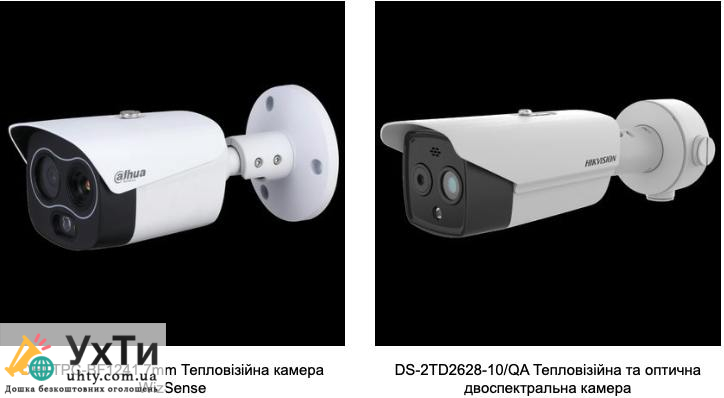
A bi-spectral thermal imaging camera is a high-tech device that combines the capabilities of a traditional thermal imaging camera with additional spectral capabilities to provide more detailed and accurate monitoring. Such cameras are used in a variety of fields, including security, environmental monitoring, and industrial applications.
1. What is a bisector thermal imaging camera?
A bispectral thermal imaging camera is a device that is equipped with two different types of sensors that allow monitoring in different spectra. Most often, these are infrared and visible spectra, which together provide a more complete picture of events.
2. Main characteristics of the bisector thermal imaging camera
- Two spectral ranges: The camera has two separate sensors, one for thermal imaging (infrared spectrum) and one for visible imaging, allowing it to combine information from both sources.
- High resolution: Both sensors provide high image resolution, allowing for clear and detailed images in both spectra.
- Excellent sensitivity: bisector thermal imaging camera provides high sensitivity to temperature and color changes, allowing for accurate detection of objects and their activity.
- Image synchronization: High-precision synchronization between thermal and visible images ensures precise data integration for better situational awareness.
3. Advantages of a bisector thermal imaging camera
- Improved detection: The combination of thermal and visible imaging allows for more effective detection of objects in low light or difficult visibility conditions.
- More accurate analysis: The ability to view objects in different spectra provides more detailed analysis and allows you to identify potential threats faster.
- Reduced errors: Combining information from two sensors reduces the likelihood of errors in object recognition and provides better data accuracy.
- Versatility: Cameras can be used in various conditions – both day and night, in any weather conditions, thanks to the ability to operate in two spectra.
4. Application of bisector thermal imaging cameras
- Security and Protection: For monitoring large areas and important objects where high accuracy of detection and recognition of objects in the dark or in difficult conditions is required.
- Industrial applications: For diagnostics and monitoring of industrial processes, where it is important not only to detect overheating or defects, but also to evaluate them in the visible spectrum.
- Environmental Monitoring: For studying and monitoring natural phenomena where information about temperature changes and visual aspects may be important.
- Rescue operations: For search and rescue in low visibility conditions where it is important to have both thermal and visible information for accurate positioning.
5. How to choose a bi-spectral thermal imaging camera
- Needs Assessment: Determine what specific monitoring needs you have and what camera features you require (resolution, sensitivity, temperature range, etc.).
- Image quality: Make sure the camera provides high image quality in both the thermal and visible spectrum.
- Connection interfaces: Check which connection interfaces and integration features with other systems the camera supports.
- Compatibility with operating conditions: Consider the conditions in which the camera will be used (weather, temperature, humidity) and choose models that meet these conditions.
- Budget: Determine your budget and choose a camera that fits your financial capabilities without compromising on quality.

