
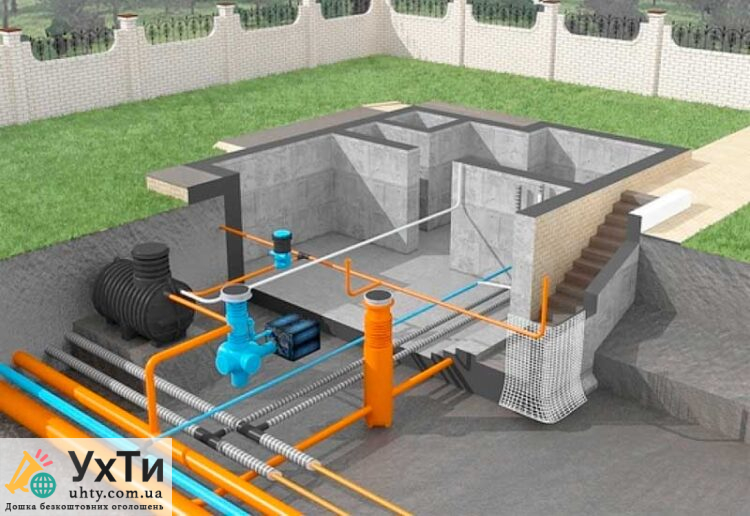
Sewerage systems are an important part of any construction project, and choosing the right pipes for such systems can significantly affect their reliability and durability. There are many different types of sewer pipes on the market, each of which has its own features and advantages. If you are looking for pipes for your project, pay attention to the site https://ac-ac.com.ua/uk/vodoprovod/truba-kanalizacijna/, where you can find a wide range of quality pipes for any need.
1. Types of sewer pipes
There are several main types of sewer pipes, each of which has its own specific properties and is used in different conditions. The most common are:
- Plastic pipes (PVC): Lightweight, resistant to corrosion and chemicals, often used in domestic systems.
- Polyethylene pipes (PE): They are characterized by flexibility, strength and high resistance to mechanical damage.
- Cast iron pipes: Traditional option for heavy duty applications. They are strong but heavy.
- Concrete pipes: Used in systems with high throughput, especially for industrial facilities.

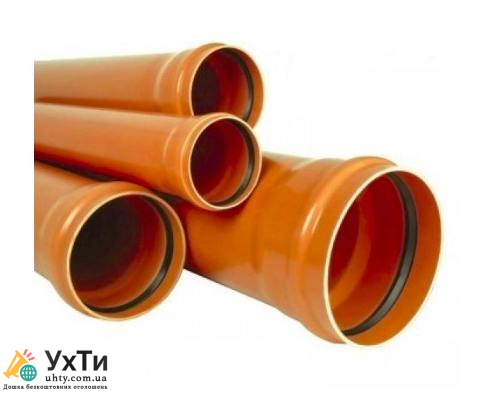
2. Advantages of plastic pipes
Plastic pipes, particularly PVC, are becoming increasingly popular due to their numerous advantages. These include:

- Lightness: Plastic pipes are much lighter than metal or concrete pipes, which makes them easier to transport and install.
- Corrosion resistance: Unlike metal pipes, plastic pipes do not rust, which extends their service life.
- Economy: The cost of plastic pipes is significantly lower compared to other materials.
- Ease of installation: Installing plastic pipes does not require specialized equipment.
3. How to choose pipes for sewage
When choosing pipes for sewage, you should pay attention to several key factors:
- Diameter: The choice of pipe diameter depends on the expected volume of drainage. For domestic needs, pipes with a diameter of 50-110 mm are usually used.
- Material: PVC and polyethylene are the best options for domestic systems due to their properties.
- Operating conditions: Consider the load that will be placed on the system and select pipes according to these conditions.

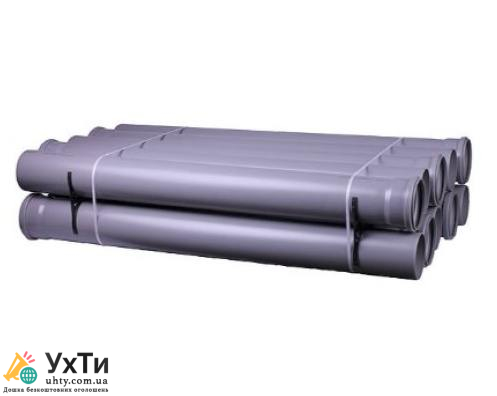
4. Features of installing sewer pipes
Installing sewer systems is a responsible process that requires compliance with certain rules. Here are the main stages that must be followed:
- Trench preparation: The depth of the trench should correspond to the level of soil freezing in your region to avoid damage to the pipe in winter.
- Pipe laying: It is necessary to ensure the correct slope of the pipe for optimal water drainage.
- Sealing joints: All connections between pipes must be sealed to avoid leaks.
5. Service life and maintenance
High-quality sewer pipes can last for decades if properly installed and operated. To extend their service life, the system should be regularly maintained, including:
- Cleaning the system from contaminants.
- Check for leaks.
- Replacement of worn system parts.

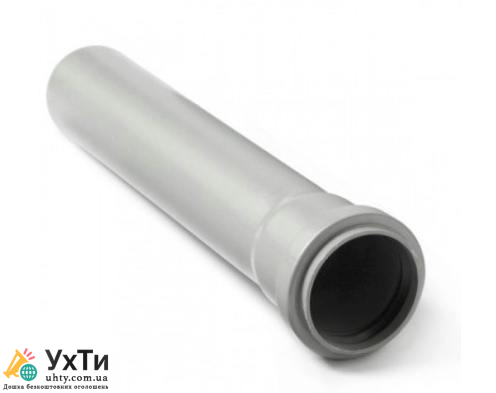
6. Pipes for external and internal sewage
When choosing pipes for external or internal sewage, it is necessary to take into account specific operating conditions:
- External sewage: Here, resistance to mechanical damage and the effects of external factors such as temperature and moisture are important. Pipes made of PE or cast iron are suitable.
- Internal sewage: Lighter and cheaper PVC pipes are more often used here, as they are not exposed to such harsh operating conditions as outdoor ones.
7. Where to buy sewer pipes
If you are looking for reliable and high-quality sewer pipes, pay attention to the wide range of pipes presented on ac-ac.com.ua. On this site you will find products that meet the highest quality standards, as well as get advice on choosing pipes that are ideal for your project.
8. Tips for caring for your sewer system
Regular maintenance of your sewer system can help prevent many problems. Here are some helpful tips:
- Cleaning: Regular cleaning of the sewage system reduces the risk of blockages and contributes to its long-term operation.
- Checking connections: Keep all connections tight to avoid leaks.
- Scheduled inspections: Once a year, invite a specialist to diagnose the condition of the pipes and identify possible problems.
9. Manufacturer selection
When choosing a pipe manufacturer, pay attention to the company's reputation and customer reviews. Brands with high quality standards, such as those presented on ac-ac.com.ua, guarantee durability and reliability of products.
10. How to properly store pipes
If you are buying pipes for the future, it is important to know how to store them properly:
- Store the pipes in a dry place.
- Avoid direct sunlight, which can cause plastic pipes to deform.
- Do not fold pipes under heavy load to avoid mechanical damage.
Choosing the right sewer pipes is a responsible decision that determines the efficiency of your drainage system. Thanks to the wide range at ac-ac.com.ua, you will be able to find the perfect pipes for any project.

