
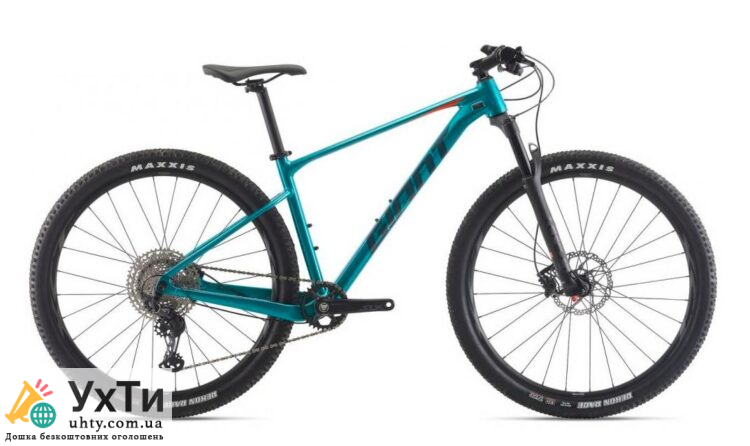
Mountain bikes (MTB) are one of the most popular forms of transport for outdoor activities and sports. They are ideal for riding over rough terrain, forest paths, mountains and uneven surfaces. If you are planning to buy a mountain bike, then you should definitely visit the site https://velomisto.com.ua/gornye-velosipedy, which offers a wide range of bikes for every taste and budget. We will look at the main aspects of choosing an MTB and explain what to look for when buying.
1. What type of mountain bike should I choose?
There are several basic types of mountain bikes, each with its own unique features. The type you choose depends on how and where you plan to ride.
- Cross-country (XC) – These are bikes for fast riding over rough terrain. They are lightweight and have stiff frames that allow for high speed.
- Trail – universal bicycles that combine good speed on flat roads and excellent cross-country ability on difficult sections.
- Enduro – heavier bikes with a reinforced frame for aggressive riding on difficult trails.
- Downhill – downhill bikes. They have large shock absorbers to reduce vibrations when riding over rocks and roots.

2. Frame size and wheel diameter
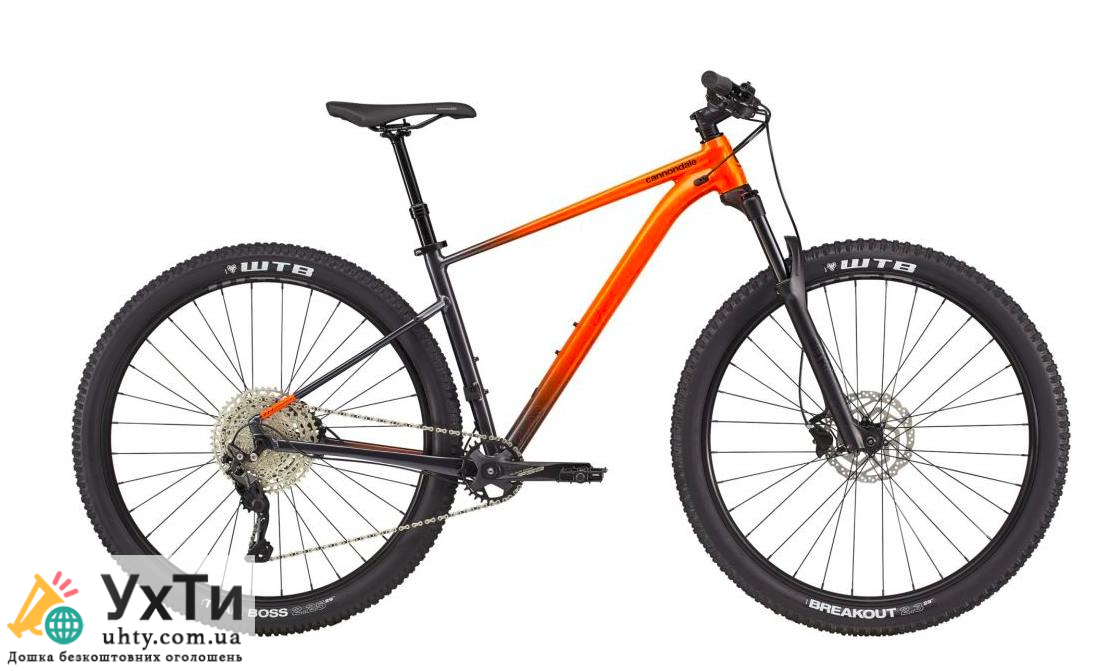
Choosing the right frame size is one of the most important aspects of comfortable riding. The frame size depends on the height of the cyclist, and each manufacturer provides tables with recommendations for choosing a size. The diameter of the wheels is also of great importance:

- 26 inches – classic size, suitable for maneuverable skiing and fast descents.
- 27.5 inches (650B) – combines the advantages of maneuverability and cross-country ability, providing comfort on rough terrain.
- 29 inches – such wheels cope better with obstacles, provide high stability, but are less maneuverable.
3. Shock absorption system: what to choose?
Mountain bikes can be either with front suspension or with full suspension (front and rear).
- Hardtail – These are bikes with a shock absorber only on the front fork. They are lighter and suitable for cross-country or moderately difficult trails.
- Double suspension – These are bikes with suspension in both the front fork and the rear of the frame. They are ideal for challenging trails, but are heavier and more expensive than hardtails.
4. Frame material
The frame material affects the weight of the bike and its performance. Main materials:
- Aluminum – a lightweight, strong, and relatively inexpensive material that is widely used in bicycle manufacturing.
- Carbon – even lighter and stiffer than aluminum. This is the choice of professionals, but such bikes are usually more expensive.
- Steel – a heavier material, but it dampens vibrations well. Steel frames are used in budget models and for touring bikes.

5. Brake system: disc or rim brakes?
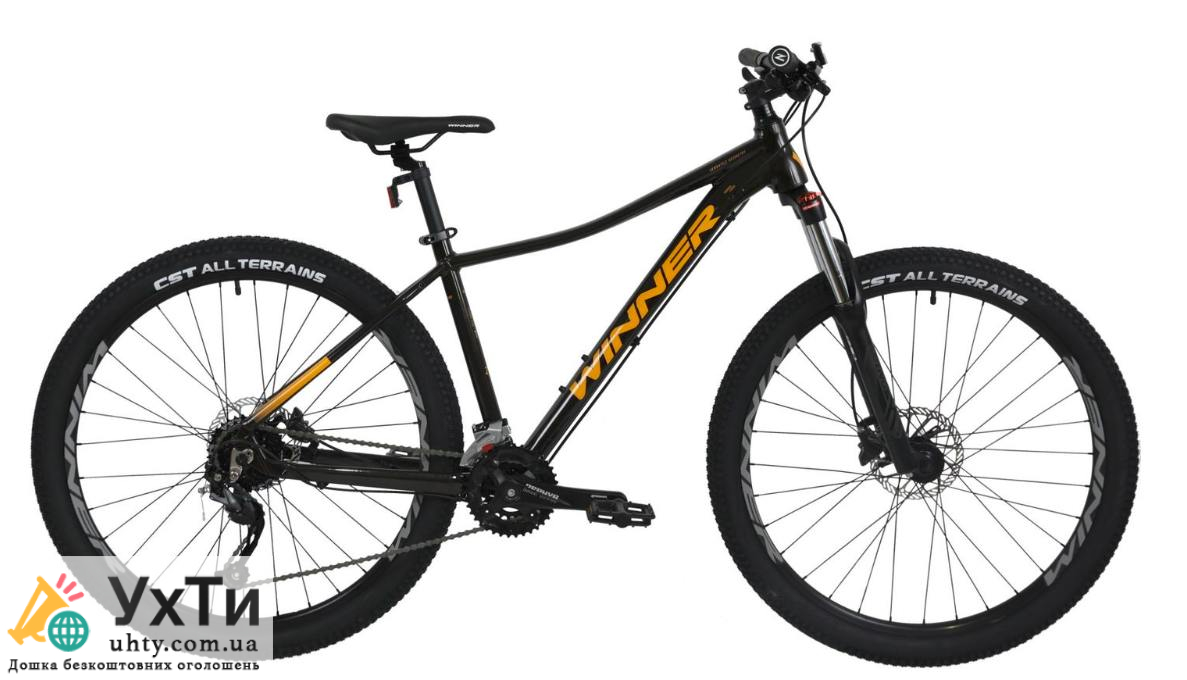
For mountain bikes, it is better to use disc brakes, which can be mechanical or hydraulic.
- Mechanical disc brakes – easier to maintain and cheaper, but less effective in extreme conditions.
- Hydraulic disc brakes – provide excellent braking power and control, but they are more expensive and require careful maintenance.
6. Transmission selection
The number of gears on a mountain bike can vary from 18 to 30. The more gears, the more opportunities for choosing the optimal riding mode:
- 2 or 3 systems – a classic choice for mountain bikes. They provide a wide range of gears for different riding conditions.
- 1x system – have recently gained popularity due to their simplicity and ease of maintenance.
7. Bike weight: why is it important?
The lighter the bike, the easier it is to ride uphill and over rough terrain. However, lightness can affect durability. The weight of the bike depends on your riding style: for aggressive downhill riding, you will need a stronger and heavier bike, and for cross-country riding, a lighter one.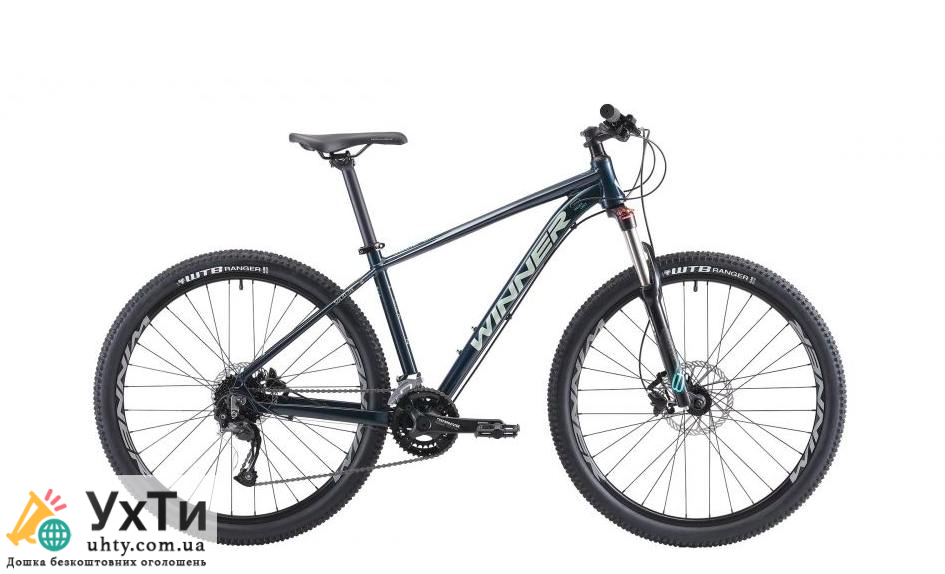
8. Additional accessories
It's worth buying a few useful accessories for your bike that will increase comfort and safety while riding:
- Helmet – a must-have item for any cyclist.
- Glasses – protect the eyes from dust, insects and sun.
- Gloves – will help avoid calluses on your hands during long trips.
- Light and bell – necessary for riding at night and in urban environments.
9. How to care for a mountain bike?
Regular maintenance of your bike is the key to its long service life. After each ride, you should clean the frame, wheels, and chain from dirt and dust. In addition, you should periodically check the brakes, shock absorbers, and transmission.
- Car wash – use special products for washing your bike, avoid high-pressure water.
- Oil – the chain and other moving parts must be lubricated regularly.
- Maintenance – at least once a year, you should contact a professional workshop for a technical inspection.
10. Where to buy a mountain bike?
If you decide to buy a mountain bike, we recommend that you contact the online store velomisto.com.ua, where you will find a wide selection of models at affordable prices. The store offers detailed product descriptions, which will help you make the right choice according to your needs and budget.
Mountain bikes (MTB) are not only a means of transport for outdoor activities, but also a great way to stay fit and enjoy nature. Choose the bike that suits your needs and enjoy every ride!

