

Every time we drain the water, we do not even suspect that a quiet but dangerous enemy may be hiding under our house - septic tank gases. These invisible, but perceptible by their unpleasant odor, substances represent a serious threat to our health and safety.
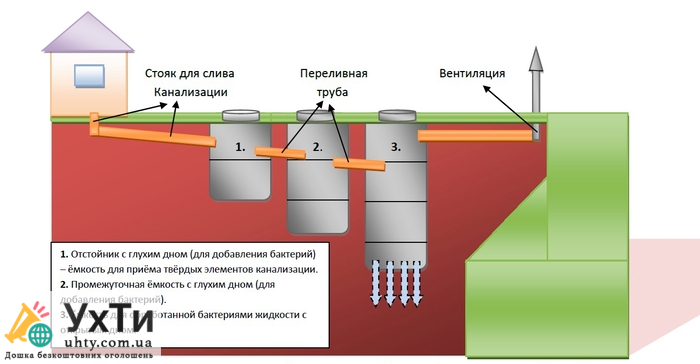
Why is it important to take away septic tank gases?

- Security: Prevention of explosions and fires.
- Comfort: Getting rid of unpleasant odors.
- Preservation of health: Protection against poisoning with toxic gases.
- Extending the service life of the septic tank: Timely removal of gases prevents corrosion and damage to the system.
Gas removal methods:
- Ventilation pipe: The classic and most effective method. The pipe is removed above the roof level and provides a constant outflow of gases.
- Aeration: Use of a compressor to saturate waste water with oxygen. It helps reduce the formation of gases.
- Biological products: They accelerate the process of decomposition of organic substances and reduce gas formation.
How to choose the optimal method?
The choice of gas removal method depends on specific conditions: the size of the septic tank, the composition of wastewater, climatic conditions, etc. It is recommended to consult a specialist.
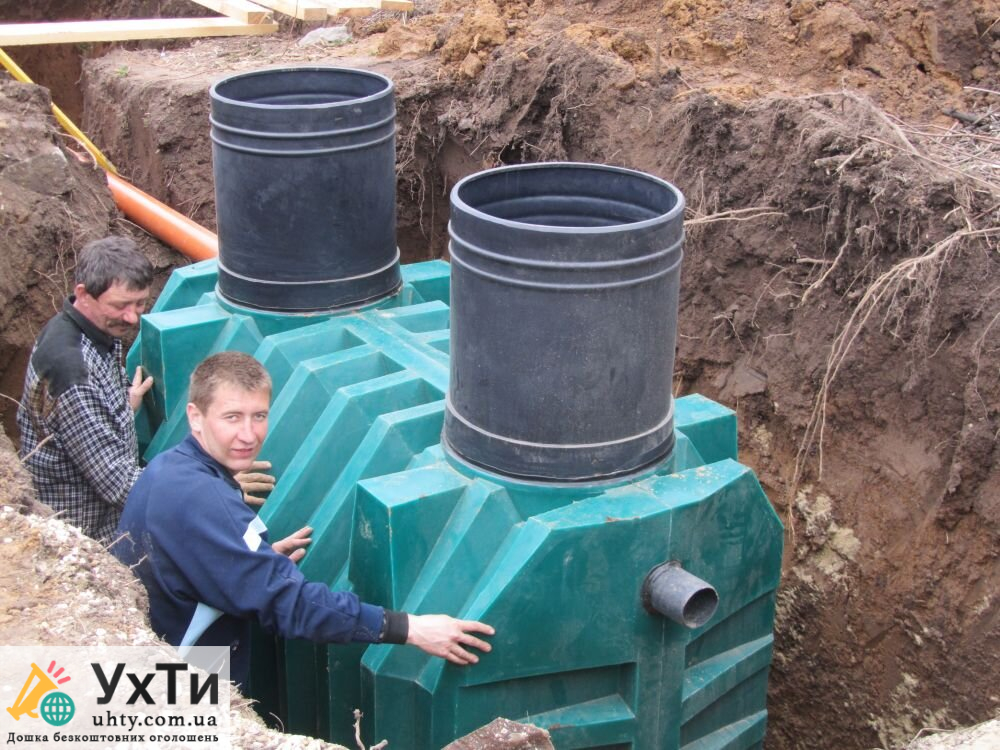
Important points when organizing gas removal:
- System tightness: All connections must be securely sealed.
- Correct slope of the pipe: Provides free flow of gases.
- Protection against water ingress: The upper end of the pipe must be protected from precipitation.
- Regular service: Check the system for blockages and damage.
Gas removal from a septic tank is not just a technical procedure, but an important measure of safety and comfort. Properly organized ventilation will allow you to avoid unpleasant surprises and ensure the longevity of your system.
Useful tips for septic tank owners
1. Regular maintenance:
- Sludge pumping: Periodic pumping of sludge from the clarifier will prevent overflow and failure of the system. The pumping frequency depends on the volume of the septic tank and the number of residents.
- Checking the operation of the aerator: If you have a septic tank with aeration, regularly check the operation of the aerator and change the filters.
- Inspect the system for damaged items: Check the tightness of connections, the integrity of pipes and containers.
2. Correct operation:
- Prohibited substances: Do not pour aggressive chemical substances (acids, alkalis), construction debris, fat, oils into the septic tank. These substances can disrupt the work of bacteria and damage the system.
- A large amount of water: Avoid draining a large amount of water in a short period of time. This can lead to system overload.
- Winter operation: At low temperatures, it is recommended to insulate the septic tank and use special biological preparations that increase the activity of bacteria in a cold environment.
3. Selection of biological preparations:
- Selection of the drug: Choose biopreparations designed specifically for septic tanks. Pay attention to the composition and scope of application.
- Regular use: Regular use of biological preparations improves the process of wastewater treatment and reduces the formation of gases.
4. Prevention of blockages:
- Installing filters: Install filters on plums to prevent large particles from entering the septic tank.
- Careful use of household chemicals: Use biodegradable detergents.
5. Groundwater level control:
- Track Changes: When the groundwater level rises, additional waterproofing of the septic tank may be required.
6. Calling a specialist:
- Regular diagnostics: Periodically invite a specialist to carry out system diagnostics and identify possible problems.
- Difficult situations: If serious problems arise (odor, flooding, malfunction of the equipment), do not try to solve them yourself, contact professionals.
7. Expansion planning:
- Load increase: If the number of residents increases, it may be necessary to expand or replace the septic tank.
8. Environmental friendliness:
- Compliance with the rules: Observe the rules of operation of the septic tank so as not to pollute the environment.
Remember that timely maintenance and proper operation of the septic tank will ensure its durability and efficiency.
Additional tips:
- Documentation: Keep all documentation in the septic tank (passport, diagrams, acts of completed works).
- Training: Study the operating instructions for your septic tank.
- Neighbors: Talk to neighbors who have installed similar systems to learn about their experiences.
By following these tips, you will be able to ensure trouble-free operation of the septic tank and create comfortable living conditions.
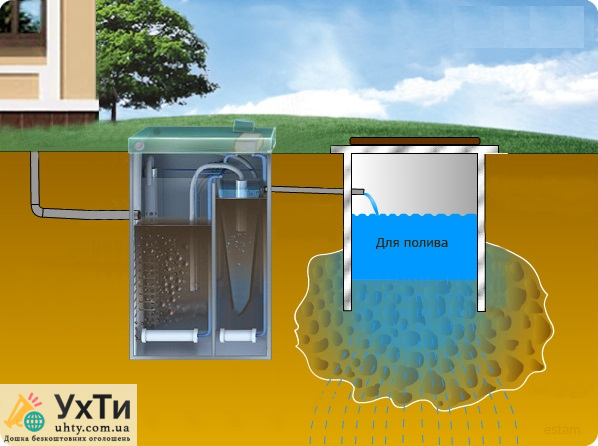
Why is regular septic tank diagnostics necessary?
Regular diagnostics of the septic tank is the key to its long-lasting and trouble-free operation. It allows you to identify potential problems in the early stages and prevent serious breakdowns.
Why it is important:
- Prevention of emergency situations: Timely detection of malfunctions will help to avoid leaks, blockages and unpleasant smells.
- Increased efficiency: Regular inspection allows you to assess the efficiency of the septic tank and, if necessary, adjust its operating mode.
- Increase in service life: Proper care of the septic tank significantly extends its service life.
- Savings: Timely repair costs less than eliminating serious breakdowns.
What does the diagnosis of a septic tank include?
- Visual inspection: Assessment of the external condition of the septic tank, checking the tightness of connections, the integrity of pipes and tanks.
- Checking the operation of the equipment: Evaluation of the functioning of pumps, aerators and other elements of the system.
- Waste water analysis: Determining the level of contamination and cleaning efficiency.
- Measurement of silt level: Determining the necessity of sludge pumping.
- Checking the ventilation system: Evaluation of traction and absence of blockages.
When is it necessary to carry out diagnostics?
The frequency of diagnostics depends on several factors:
- Intensity of use of the septic tank: The more often a septic tank is used, the more often an ego check is required.
- Septic tank type: Septic tanks with aeration require more frequent maintenance.
- Age of the septic tank: The older the septic tank, the higher the risk of malfunctions.
Recommended frequency:
- Once a year: For most septic tanks with average intensity of use.
- 2 times a year: For septic tanks located in regions with a harsh climate or with intensive use.
Advantages of consulting a specialist
- Professional equipment: Specialists use special equipment to carry out diagnostics, which allows to reveal even hidden problems.
- Experience and knowledge: Specialists have the necessary knowledge and experience for accurate diagnosis and troubleshooting.
- Quality guarantee: Professionally performed diagnostics is a guarantee that all work will be performed qualitatively and on time.
What to do when a malfunction is detected?
If any malfunctions are detected, it is necessary to immediately contact a specialist for their elimination. Ignoring this recommendation can lead to serious consequences.

