
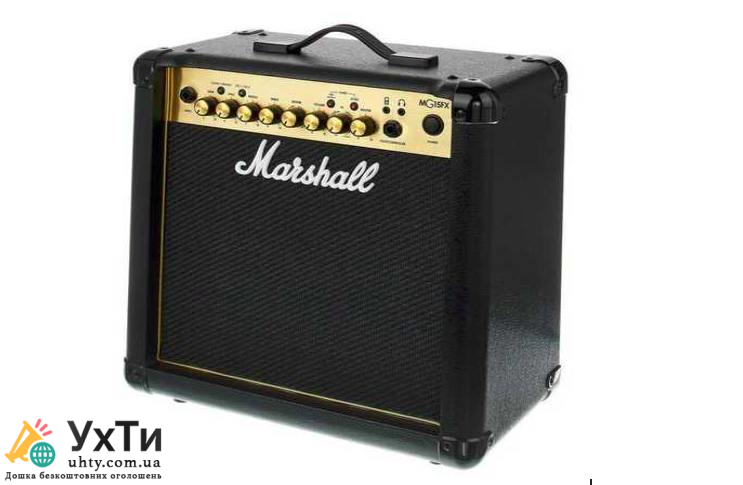
To ensure the quality sound of an electric guitar, it is necessary to use a combo amplifier that is suitable in terms of characteristics and properties. It is the type of combo amplifier that determines how the electric guitar will sound and whether the guitarist will be able to fully demonstrate his virtuosity and skill. Next, let's look at the difference between different types of combo amplifiers, and which one is better to choose.
Types of combo amplifiers
Depending on their sound preferences, guitarists choose different types of combo amplifiers: tube, transistor, hybrid, or modeled. To learn more about the technical parameters and choose a combo amplifier for an electric guitar try here on the website of a large store, which offers a variety of sound equipment from reliable manufacturers, chosen by professional musicians.
If you go to a musical instrument store “Party at the Hut”, please note that there are different types of mixers, so it is important to read the description carefully to choose the appropriate option, taking into account the desired power, volume, and other factors.

When choosing between different types of combo amplifiers, pay attention to the following:
- Tubes are known for their warm, rich sound and natural overdrive. Such models are usually more expensive, require skilled professional tuning, so they are usually chosen by professionals for concert performances or recording.
- Transistor amplifiers are lighter and cheaper, but the sound is less saturated with overdrive.
- Hybrid amplifiers combine the properties of tube and transistor models, which allows them to maintain the desired warmth of sound while maintaining high power.
- Modeled amplifiers are equipped with digital technologies that offer many options for sound effects, but digital sound is less authentic.
Depending on your needs and budget, you can choose a quality combo that will meet your needs. Below are some tips for choosing an amplifier.
Basic tips for choosing
First of all, it is important to determine the power of the combine, depending on where it is planned to be used and for what purpose:
- for home practice, a 5-20 W amplifier is enough so as not to disturb the neighbors;
- for rehearsals and small performances 20-50 W – sufficient volume and excellent quality;
- for studio recording and large stage performances, an amplifier of more than 50 watts is required.
When choosing a combo, it is also important to pay attention to additional built-in effects, such as reverb, chorus, delay. If these functions are built into the amplifier, there is no need to buy separate effects pedals. Effects loops allow you to add effects between the amplifier and the preamp, which can be useful for time or modulation effects.
Choosing a combo amp requires attention to many details, taking into account the individual needs of the guitarist or band. Determine the type of amplifier that best suits your needs, the required power, and the availability of additional features.

